
Comparing Business Plan Templates: Finding the Right Fit for Your Startup

Understanding the Importance of a Business Plan
Starting a new business can be both exciting and overwhelming. One crucial step in the process is creating a comprehensive business plan. A well-crafted business plan acts as a roadmap, guiding your startup through each stage of growth. It helps you set clear goals, attract investors, and manage your resources effectively.
With numerous business plan templates available, selecting the right one for your startup is essential. Each template offers unique features and structures, catering to different business needs. Understanding these variations can help you make an informed decision.
Types of Business Plan Templates
Traditional Business Plan
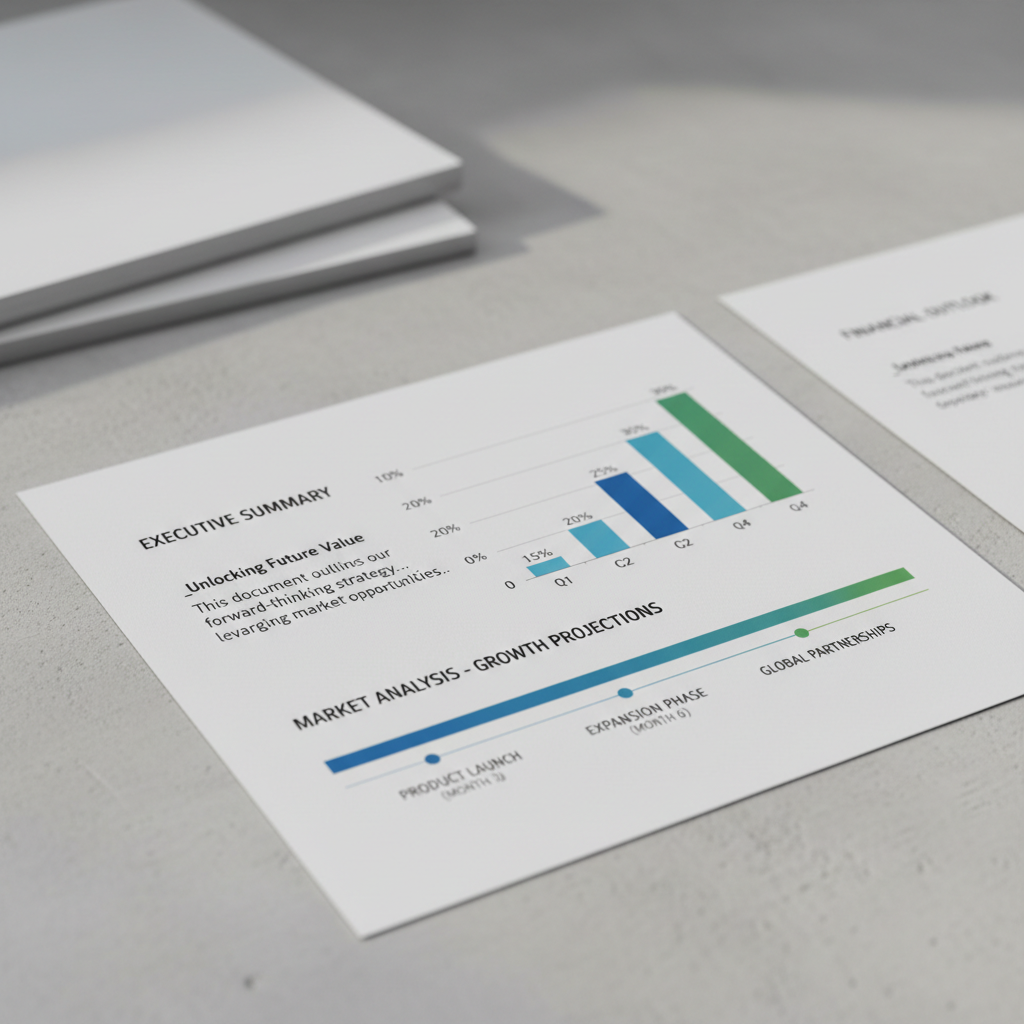
The traditional business plan is a comprehensive document that covers a wide range of topics. It typically includes sections like an executive summary, company description, market analysis, organization structure, product line, marketing strategies, funding requests, and financial projections. This template is best suited for startups seeking significant funding or entering highly competitive industries.
Lean Business Plan
For startups looking for simplicity and speed, the lean business plan offers a streamlined approach. It focuses on key elements such as value proposition, customer segments, revenue streams, and key activities. This template is ideal for entrepreneurs who prefer a flexible plan that can be easily updated as the business evolves.

Factors to Consider When Choosing a Template
Business Goals and Audience
Before choosing a template, consider your startup’s primary goals and the audience for your business plan. If you aim to attract investors, a traditional business plan may be more appropriate. For internal use, the lean business plan might suffice. Understanding your objectives will guide your decision.
Industry Requirements
Different industries may have specific requirements for business plans. Research industry standards to ensure your plan meets all necessary criteria. For instance, tech startups might need a detailed section on innovation and technology, while a retail business may focus more on marketing and sales strategies.

Customization and Flexibility
Another important factor is the ability to customize the template to fit your unique business needs. A good template should allow you to add, remove, or modify sections as necessary. Flexibility is key, especially for startups that may pivot or expand into new areas over time.
Ease of Use
The template should be user-friendly, providing clear instructions and examples. A complex or confusing template can slow down the planning process and lead to errors. Look for templates that offer intuitive layouts and guidance throughout.
Conclusion: Finding Your Perfect Fit
Selecting the right business plan template is a crucial step in setting up your startup for success. By considering factors such as your business goals, industry requirements, customization options, and ease of use, you can find a template that aligns with your vision and needs.
Remember, a well-thought-out business plan not only attracts investors but also serves as a valuable tool for guiding your startup towards sustainable growth. Choose wisely, and let your plan be the foundation of your entrepreneurial journey.